
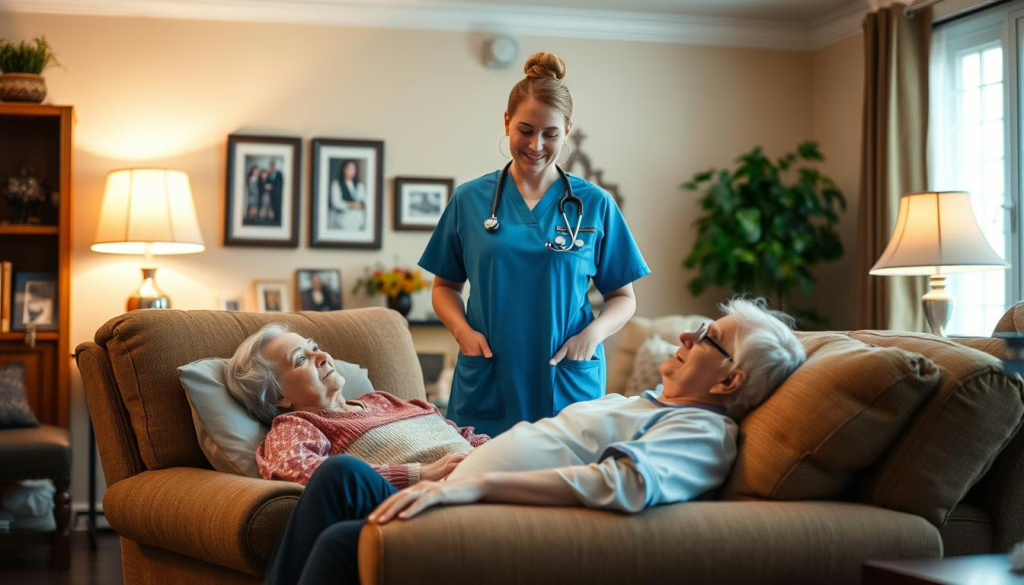
Getting end-of-life care at home can be very comforting. It’s known that home is often the most supportive place during tough times. With the right help, patients can live better, surrounded by their loved ones.
Hudson Senior Healthcare is a trusted name in home-based palliative care. They offer expert support to those in need. By choosing home care, patients get personalized attention and care. For reliable and supportive care, call Hudson Senior Healthcare at (469)893-0806 or visit HudsonSeniorhealthcare.com.
Key Takeaways
- Receiving palliative care at home can improve the quality of life for patients and their families.
- Hudson Senior Healthcare provides expert support for home-based palliative care.
- Personalized attention and compassionate care are available with Hudson Senior Healthcare.
- Patients can benefit from being surrounded by loved ones in the comfort of their own home.
- Hudson Senior Healthcare is a reliable partner for end-of-life care needs.
Understanding Palliative Care
Palliative care offers support to those with serious illnesses and their families. It aims to ease suffering and improve life quality through in-home palliative care services.
What Is Palliative Care?
Palliative care focuses on easing symptoms and stress of serious illnesses. It aims to enhance life quality for patients and their families. A team of healthcare experts, like doctors and nurses, work together to provide holistic care.
This care isn’t just for those near the end of life. It can be given alongside treatments trying to cure the illness. Palliative care for seniors at home lets people get support in their own space.
The Importance of Palliative Care
Palliative care is crucial because it meets the complex needs of patients with serious illnesses. It offers physical, emotional, social, and spiritual support. This makes it a key part of patient-centered care.
- Improves quality of life
- Manages symptoms effectively
- Provides emotional and spiritual support
- Enhances patient and family satisfaction
| Aspect of Care | Description | Benefit |
|---|---|---|
| Symptom Management | Relief from pain and other distressing symptoms | Improved comfort and quality of life |
| Emotional Support | Counseling and emotional care for patients and families | Reduced stress and anxiety |
| Spiritual Support | Addressing spiritual needs and concerns | Enhanced sense of peace and well-being |
Common Misconceptions
Many think palliative care is only for those who are terminally ill. They also believe it means giving up on treatments. But, palliative care can be given at any stage of a serious illness, alongside treatments trying to cure or manage it.
Another myth is that palliative care is given by one person. In reality, it involves a multidisciplinary team of professionals working together to meet the patient’s needs.
Benefits of Palliative Care at Home
Palliative care at home offers many benefits. It improves comfort, supports families, and creates personalized care plans. This care focuses on the patient’s needs, ensuring they get the right support at home.
Enhanced Comfort and Quality of Life
Palliative care at home aims to boost patient comfort and quality of life. It manages pain and symptoms well. This leads to a big improvement in how patients feel.
A palliative care expert said,
“The goal is to make the patient as comfortable as possible, allowing them to enjoy time with loved ones.”
Effective pain and symptom management is key in palliative care. Healthcare teams work with patients to create a care plan that meets their needs. This ensures they get the best care possible.
Family Involvement and Support
Palliative care at home values family involvement and support. It teaches family members how to care for their loved ones. This creates a supportive environment for the patient and reduces the family’s caregiving burden.
Family members are crucial in the care process. Palliative care teams support them every step of the way. A family member said,
“The support we received from the palliative care team was invaluable. They helped us understand how to care for our loved one and provided emotional support during a difficult time.”
Personalized Care Plans
Personalized care plans are a key feature of palliative care at home. Healthcare professionals create care plans that meet each patient’s unique needs and preferences.
Tailoring care to the individual ensures patients get the best support. This approach also allows for adjustments as needed. This keeps the care plan relevant and effective throughout the care process.
Who Can Benefit from Palliative Care?
Palliative care is for anyone with a serious illness, no matter their age or diagnosis. It aims to ease symptoms and stress from serious illnesses.
Patients with Serious Illnesses
Those with serious illnesses like cancer, heart disease, or neurological disorders can benefit a lot. It aims to enhance their life quality by managing symptoms and offering emotional support.
- Symptom Management: Teams work to reduce pain, nausea, and other distressing symptoms.
- Emotional Support: Patients get counseling and support to deal with their condition.
Families Seeking Support
Families of patients with serious illnesses also gain from palliative care. The team offers guidance and support to help them through caregiving challenges.
- Caregiver Education: Families learn how to care for the patient and manage symptoms effectively.
- Emotional Support: Counseling is available for family members to cope with caregiving’s emotional strain.
Individuals with Chronic Conditions
Those with chronic conditions like diabetes, COPD, or Alzheimer’s can also benefit. The focus is on symptom management and improving life quality.
Palliative care at home offers personalized care in their own homes. This makes it easier to manage their conditions.
Services Offered in Home-Based Palliative Care
Home-based palliative care services can greatly improve a patient’s life. They are designed for those with serious illnesses. The goal is to offer comfort, support, and better well-being.
Pain and Symptom Management
Pain and symptom management is key in home care. Healthcare teams create personalized care plans for each patient. This ensures their pain and symptoms are well-managed.
Emotional and Spiritual Support
Home care also focuses on emotional and spiritual support. It’s a holistic approach. Patients get counseling, therapy, and spiritual guidance to help their overall well-being.
Coordination with Other Healthcare Providers
Working with other healthcare providers is vital in home care. Palliative care teams coordinate with the patient’s healthcare team. This ensures care is comprehensive and cohesive. It helps avoid unnecessary hospital visits and keeps support consistent.
In summary, home-based palliative care offers a wide range of support. This includes managing pain and symptoms, emotional and spiritual care. It’s all coordinated with other healthcare providers for top-quality, patient-focused care.
The Role of Hudson Senior Healthcare
Palliative care for seniors at home is a key focus of Hudson Senior Healthcare. They combine compassion with expertise. They understand the complex needs of seniors with serious illnesses and aim to provide top-notch, patient-focused care.
Expertise and Experience
Hudson Senior Healthcare has a team of skilled professionals. They are committed to delivering outstanding palliative care. Their knowledge ensures seniors get full support, covering medical, emotional, and spiritual needs.
Key aspects of their expertise include:
- Skilled nursing care tailored to individual needs
- Effective pain and symptom management
- Emotional and spiritual support for patients and their families
Customized Care Plans
Hudson Senior Healthcare knows every senior is different. They create care plans that meet each patient’s unique needs. This approach ensures care is both effective and compassionate, respecting the patient’s wishes.
| Service | Description | Benefits |
|---|---|---|
| Pain and Symptom Management | Expert management of pain and other distressing symptoms | Enhanced comfort and quality of life |
| Emotional and Spiritual Support | Support for patients and families to cope with illness | Reduced stress and anxiety |
| Coordination with Healthcare Providers | Collaboration with other healthcare professionals to ensure comprehensive care | Seamless and integrated care |
Commitment to Family Education
Hudson Senior Healthcare values the role of family in caring for seniors. They educate families on how to provide effective care. This empowers them to support their loved ones through the caregiving journey.
For more information on Hudson Senior Healthcare’s palliative care services, visit their website at HudsonSeniorhealthcare.com or call (469)893-0806.
How to Get Started with Palliative Care at Home
It’s important for families to know how to start palliative care at home. This care helps improve the quality of life for those with serious illnesses. It covers physical, emotional, and social needs.
Assessing the Need for Palliative Care
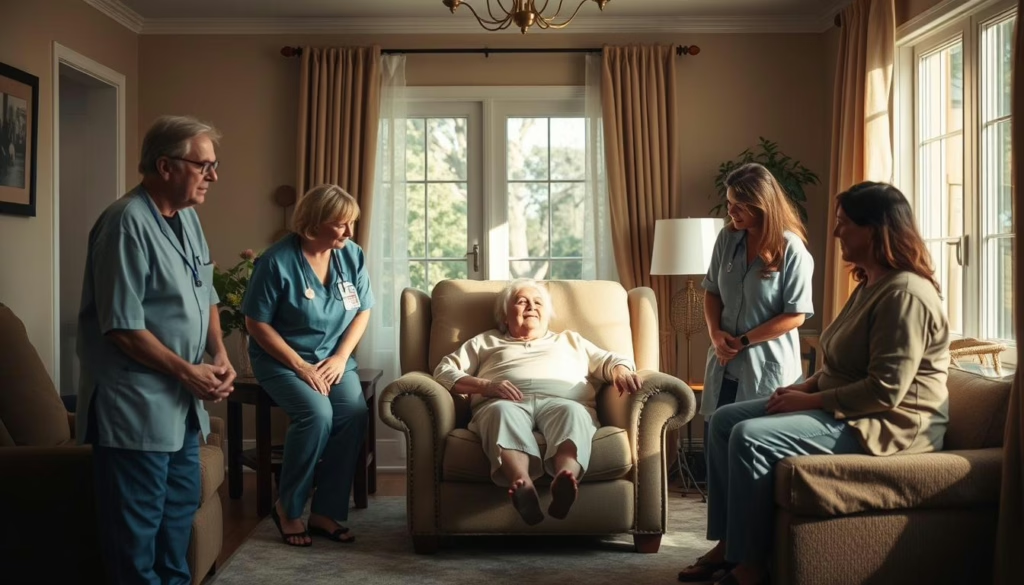
The first step is to check if the patient needs palliative care at home. Look at their condition, symptoms, and care needs. Think about their quality of life, pain, and emotional support.
Talking to healthcare professionals is key. They can explain palliative care’s benefits and how it can help the patient. A leading expert says,
“Palliative care is about providing comfort, improving the quality of life, and supporting patients and their families through challenging times.”
Initial Consultations
After deciding on palliative care, schedule a first meeting with the care team. This team includes doctors, nurses, and social workers. They will assess the patient, discuss care options, and create a care plan.
This first meeting is crucial for a care plan that fits the patient’s needs. It’s a chance to ask questions and start working with the care team.
Creating a Care Team
Building a care team is essential for effective palliative care at home. The team should include experts in palliative care and family members. Together, they create a care plan that meets the patient’s needs.
- Identify the patient’s primary care needs.
- Select healthcare professionals with palliative care expertise.
- Establish clear communication channels among the care team.
- Regularly review and adjust the care plan as needed.
By following these steps, families can ensure their loved ones get the best palliative care at home. This improves their comfort and quality of life.
Financial Considerations for Palliative Care
Understanding the costs of palliative care at home is key. It involves insurance, costs, and help from others. Families must grasp these to care for their loved ones well.
Insurance and Coverage Options
Palliative care is often covered by insurance. This includes Medicare, Medicaid, and private plans. Knowing what your coverage is is very important.
- Medicare: Covers some parts of palliative care, like doctor visits and equipment.
- Medicaid: Its coverage varies by state but generally includes many palliative care services.
- Private Insurance: What it covers depends on your plan, so check with your provider.
Cost of Home-Based Palliative Care
The cost of care at home can change a lot. It depends on the services needed. Here’s a look at typical costs:
| Service | Average Cost | Insurance Coverage |
|---|---|---|
| Doctor Visits | $100-$200 per visit | Covered by most insurance plans |
| Nursing Care | $150-$300 per hour | Partially covered by Medicare and Medicaid |
| Medical Equipment | $50-$500 per item | Covered by Medicare and some private plans |
Financial Assistance Resources
For families struggling financially, help is available. There are:
- Non-profit Organizations: Many offer financial aid for palliative care.
- Government Programs: Medicaid and other programs can help with costs.
- Sliding Fee Scales: Some providers adjust fees based on income.
By knowing the financial aspects and available aid, families can better handle the care at home.
Frequently Asked Questions
Palliative care at home offers a full support system. But how does it work? This section aims to answer common questions and concerns about getting palliative care at home.
How Does Home Palliative Care Work?
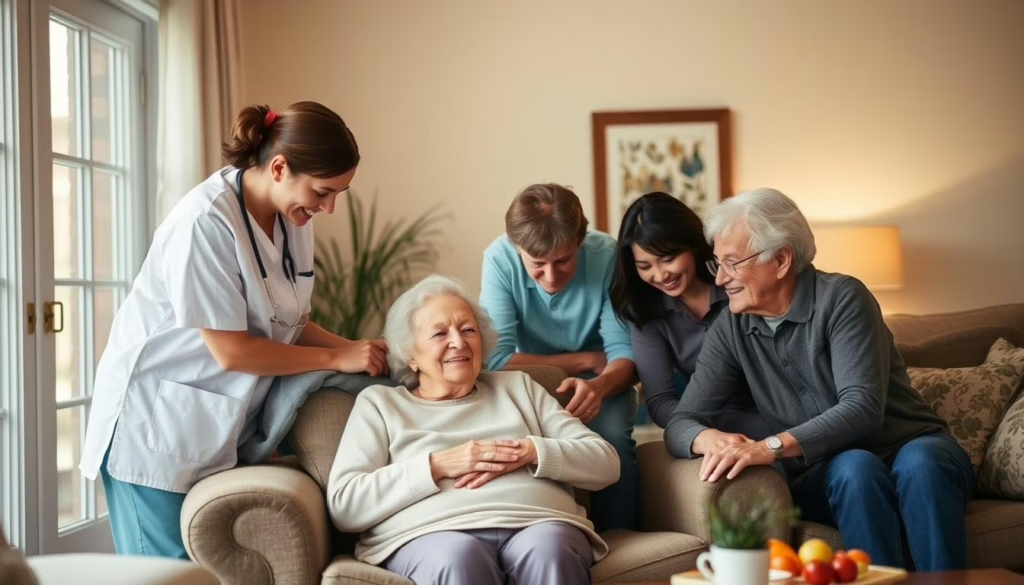
Home palliative care involves a team of healthcare professionals. They provide care tailored to the patient’s needs. This team includes doctors, nurses, social workers, and specialists who work together.
They manage symptoms, provide emotional support, and improve the patient’s quality of life. The process starts with an initial assessment to understand the patient’s condition and needs.
Based on this, a personalized care plan is developed. This plan outlines the services and support needed. It is regularly reviewed and updated to meet the patient’s changing needs.
What Types of Healthcare Professionals Are Involved?
A home palliative care team is made up of different healthcare professionals. These include:
- Palliative Care Physicians: They specialize in managing pain and symptoms.
- Nurses: They provide hands-on care and monitor the patient’s condition.
- Social Workers: They offer emotional support and help with practical issues.
- Spiritual Care Providers: They support patients and families with spiritual needs.
- Other Specialists: Such as therapists, pharmacists, and home health aides, who contribute to the overall care plan.
How to Transition to Palliative Care?
Transitioning to palliative care is a significant step. It’s important to understand when and how to make this transition. Palliative care is considered when a patient has a serious or chronic illness that needs comprehensive support.
The decision to transition involves discussions with healthcare providers, patients, and their families. Hudson Senior Healthcare can guide you through this process. They ensure a smooth transition to palliative care that meets your needs.
Supporting Family Caregivers
Family caregivers are key in giving their loved ones the best care at home. In-home palliative care services help both patients and caregivers. They offer the support and guidance needed.
Resources for Caregivers
Family caregivers have access to many resources. These include educational materials, support groups, and respite care services. Educational materials help with symptom management and understanding medications.
Support groups let caregivers share their stories and get emotional support. Respite care gives them a break, allowing them to rest.
Stress Management Techniques
Caring for a loved one can be stressful. It’s important for caregivers to use stress management techniques to stay well. Techniques like meditation, deep breathing exercises, and physical activity can help.
Setting realistic goals and prioritizing tasks are also helpful. Asking for help when needed is a practical strategy.
Building a Support Network
A strong support network is crucial for caregivers. This network can include family members, friends, neighbors, and professional caregivers. Having a diverse network ensures caregivers get the help they need.
In-home palliative care services help connect caregivers with healthcare professionals.
Supporting family caregivers improves the care quality for patients. In-home palliative care services are vital in this support system. They offer resources, guidance, and care coordination.
The Future of Palliative Care
Palliative care for seniors at home is on the verge of a big change. This change comes from new ways of delivering care and using technology. The future of palliative care will be shaped by several important factors.
Innovations in Home-Based Care
One big step forward is moving care to the home. This lets seniors get personalized care in their own space. It makes their life better. New things in home care include:
- Advanced ways to manage pain and symptoms
- More use of telehealth for checking in and talking to doctors
- Adding things like massage and acupuncture to care plans
Trends in Patient-Centered Care
Now, care is all about what the patient wants. This means care that fits the person’s needs and values. Trends in this care include:
- More focus on making decisions together with patients and families
- More support for the emotional and spiritual needs of patients and their families
- Care plans that can change as the patient’s needs do
The Evolving Role of Technology
Technology is becoming a big part of palliative care. It lets doctors and nurses care for patients from far away. The role of technology is growing to include:
- Telehealth for virtual visits and checks
- Electronic health records for better care coordination
- Apps and devices for patients to manage their own care
As technology gets better, we’ll see even more ways to help seniors at home. By using these new tools, we can make life better for seniors and their families. They will get the compassionate, personalized care they need.
Connecting with Hudson Senior Healthcare
Hudson Senior Healthcare focuses on caring for seniors with compassion. They offer hospice care at home and end-of-life care. If you need help, reaching out to them is the first step.
Getting in Touch
Want to learn more about their services? Call them at (469) 893-0806 or visit HudsonSeniorhealthcare.com. They’re ready to answer your questions and help you find the right care.
Schedule a Free Consultation
They offer a free consultation to talk about your care needs. This meeting helps you understand their approach to palliative care. It’s a chance to see how they can support you or your loved one.
Online Resources and Support
Hudson Senior Healthcare also has online resources and support. These tools help families deal with serious illnesses and end-of-life care. They aim to educate and support you every step of the way.