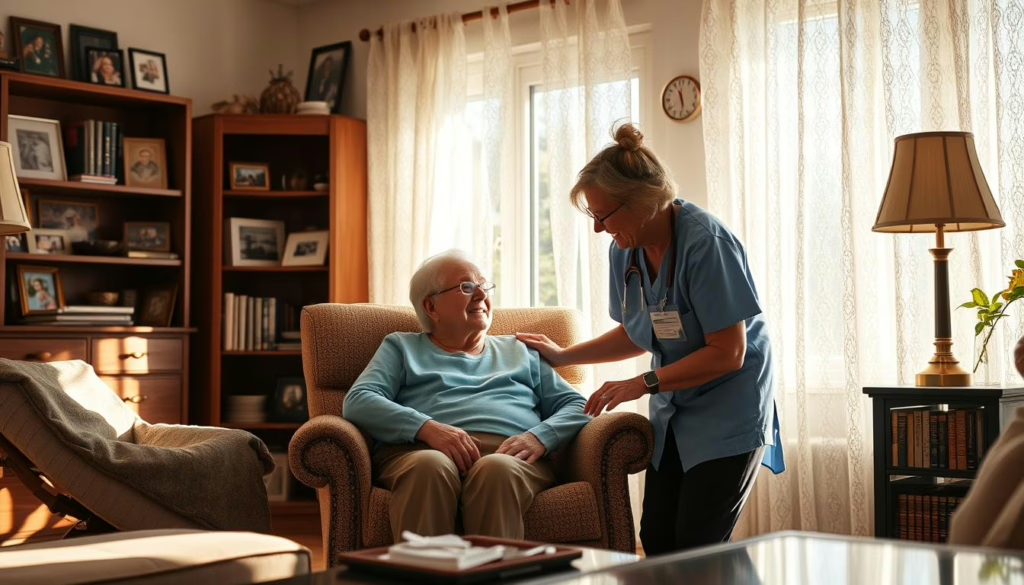
Did you know that over 4.6 million Americans get care from home health aides each year? This care lets them stay independent and live well in their own homes.
At Hudson Senior Healthcare, we know how important in-home care is. Our team of experts is here to help the elderly and those with chronic conditions. They provide personalized care, helping with daily tasks, managing meds, and offering emotional support.
Our focus is on elderly care and senior care. Our home health aides aim to give top-notch, caring care. For more details on our services, call us at (469)893-0806 or check out HudsonSeniorhealthcare.com.
Key Takeaways
- Home health aides provide essential care and support to millions of Americans.
- Personalized care is tailored to meet the unique needs of each patient.
- Hudson Senior Healthcare offers comprehensive in-home care services.
- Experienced professionals deliver high-quality care and emotional support.
- Contact Hudson Senior Healthcare for more information on their services.
What is a Home Health Aide?
Home health aides are key caregivers for patients recovering from illnesses, injuries, or surgeries. They also help manage chronic conditions. These professionals provide non-medical care, focusing on daily living activities and supporting patients.
Definition and Role
A home health aide is a crucial part of the healthcare team. They assist patients with daily tasks like bathing, dressing, and grooming. They also check vital signs and report any changes to the patient’s healthcare provider.
Home health aides also offer emotional support and companionship. This helps to reduce feelings of loneliness and isolation in patients.
Importance in Healthcare
The role of home health aides in healthcare is vital. They provide personalized care in patients’ homes, which is key for recovery and health maintenance. This care helps reduce the need for hospital stays and institutional care, making the healthcare system more efficient.
| Aspect | Role of Home Health Aides | Benefits |
|---|---|---|
| Personal Care | Assisting with daily activities | Maintains patient dignity and independence |
| Health Monitoring | Monitoring vital signs and reporting changes | Ensures timely medical interventions |
| Emotional Support | Providing companionship and emotional support | Reduces feelings of loneliness and isolation |
Difference from Other Care Professionals
Home health aides differ from other care professionals like nurses or therapists. They focus on non-medical, personal care. Their role is unique, covering a wide range of support services, from daily living activities to emotional support. This makes them essential for patients needing comprehensive care at home.
Key Responsibilities of a Home Health Aide
Home health aides are crucial in patient care. They help with daily tasks and offer vital support. Their work covers both physical and emotional needs of patients.
Aiding with Daily Activities
One key duty is helping patients with bathing, dressing, and grooming. These tasks keep patients clean and maintain their dignity. Aides also assist with mobility, preventing issues like pressure sores.
Monitoring Health Conditions
Home health aides watch over patients’ health. They track vital signs like blood pressure and pulse. If they notice any changes, they report it to the doctor.
This close watch helps manage chronic conditions. It also reduces the need for hospital stays.
Providing Emotional Support
Emotional support is a big part of their job. They talk to patients, listen to their worries, and offer comfort. This helps fight loneliness and boosts mental health.
In short, home health aides are key to healthcare. They provide care that includes physical help, health checks, and emotional support. Their work lets patients stay at home while recovering or managing health issues.
Skills Required for Home Health Aides
Home health aides play a key role in caring for patients at home. They need a wide range of skills to help with different health conditions and personal needs. Their job is not just about technical skills but also about giving emotional support and personalized care.
Compassion and Empathy
Showing compassion and empathy is crucial for home health aides. They must understand and be sensitive to their patients’ needs. This care improves the patient’s quality of life greatly.
Communication Skills
Communication skills are vital for home health aides. They need to clearly talk to patients, families, and healthcare teams. This includes listening well, following instructions, and sharing patient needs. Good communication builds trust and ensures patients get the care they need.
Time Management
Time management is key for home health aides. They often care for many patients or handle tasks for one patient quickly. They must prioritize and manage their time well to provide quality care. This skill helps them keep up with their work and care for patients effectively.
| Skill | Description | Importance |
|---|---|---|
| Compassion and Empathy | Understanding and supporting the patient’s emotional and physical needs. | High |
| Communication Skills | Clearly conveying information to patients, families, and healthcare providers. | High |
| Time Management | Prioritizing tasks and managing time to deliver quality care. | High |
In summary, home health aides need many skills to care for their patients well. They combine compassion, good communication, and time management to give personalized care. As more people need home health care, these skills will become even more important.
Training and Certification for Home Health Aides
To be a top home health aide, you need to get the right training and certifications. This is key to giving the best care to patients at home.
Educational Requirements
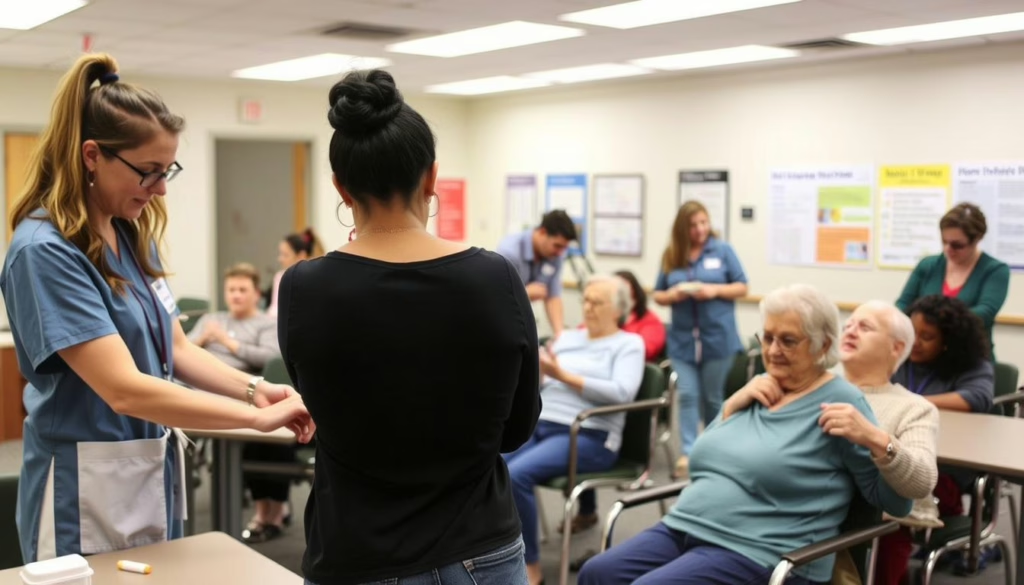
To become a home health aide, you must finish a training program. This program is approved by the state or a known accrediting agency. It teaches you about patient care, safety, and how to communicate well.
Certification Programs
Getting certified is important for caregivers who want to show they’re good at their job. The National Association for Home Care and Hospice offers home health aides the skills and knowledge they need to do well.
Continuing Education
Continuing education is vital for home health aides to keep up with new healthcare info. This training helps them give the best care and meet changing healthcare needs.
By focusing on training and certification, home health aides can meet their role’s demands. They help improve their patients’ health and well-being.
The Benefits of Hiring a Home Health Aide
Hiring a home health aide does more than just help with daily tasks. They bring joy and comfort to a person’s life. They offer both physical and emotional support.
Personalized Care
One big plus of hiring a home health aide is the personalized care they provide. They work one-on-one with their clients. This means they tailor their services to fit the person’s needs and likes.
This approach makes the care both effective and caring. It shows they truly understand and care about their clients.
Enhanced Quality of Life
Home health aides help improve a person’s life. They assist with daily tasks, watch over health, and offer emotional support. This lets people stay independent and enjoy life more.
This is very important for the elderly or those recovering. It helps them heal and live well in their own homes.
Cost-effective Solutions
Getting a home health aide can also save money. It’s cheaper than staying in a care facility or hospital. Plus, the care is just what you need, making it even more affordable.
In short, hiring a home health aide offers many benefits. These include personalized care, a better quality of life, and saving money. As more people need care, home health aides are becoming more important.
How to Choose the Right Home Health Aide
Choosing the right home health aide is key to quality care. The right person can greatly improve the patient’s well-being and comfort.
Assessing Qualifications
Start by checking the aide’s qualifications. Look at their training, certification, and experience in home health care. A good aide should be able to help with daily tasks, manage health issues, and offer emotional support.
Key Qualifications to Look For:
- Certification in home health care
- Previous experience with similar patients
- First aid and CPR training
A study shows that a home health aide’s training and experience greatly affect care quality. So, it’s important to carefully review their qualifications.
Conducting Interviews
Interviews are crucial in the selection process. They help you understand the aide’s communication skills, attitude, and how well they fit with the patient. Prepare questions about their experience, care approach, and handling tough situations.
| Interview Questions | Purpose |
|---|---|
| Can you describe your previous experience with patients with similar needs? | Assess relevant experience |
| How would you handle an emergency situation? | Evaluate problem-solving skills |
Checking References
Checking references is essential. It gives insight into the aide’s professionalism, reliability, and care quality. Talk to previous employers or families to learn about their experiences.
“Checking references can reveal a lot about a caregiver’s strengths and weaknesses.” It’s a step you shouldn’t skip.
By carefully checking qualifications, interviewing, and verifying references, you can make a wise choice. This ensures the aide provides quality care and support that meets the patient’s needs.
Common Challenges Faced by Home Health Aides
Being a home health aide is a tough job. It involves many challenges that need skill and kindness. They take care of patients’ physical health and also offer emotional support and friendship.
Dealing with Difficult Patients
One big challenge is dealing with tough patients. Some patients might be in pain or feeling upset, which can make them act out. Home health aides need to stay calm, understanding, and caring in these moments.
They might use calming techniques or redirect the patient’s attention to help. This way, they make the care environment better and more supportive.
Managing Time Effectively
Another big challenge is managing time well. Home health aides have to fit in all their tasks without rushing. They need to make sure they give the best care possible.
- Prioritizing tasks based on the patient’s immediate needs
- Creating a schedule that allows for flexibility
- Utilizing technology, such as reminders or scheduling apps, to stay organized
Good time management helps home health aides give consistent and reliable care. This makes the patient’s experience better.
Handling Family Dynamics
Home health aides also deal with complex family situations. They work with family members to give full care. This means managing different expectations, talking clearly, and sometimes helping to solve problems between the patient and their family.
| Challenge | Strategy | Benefit |
|---|---|---|
| Dealing with difficult patients | Remaining patient and empathetic | Improved patient cooperation |
| Managing time effectively | Prioritizing tasks and using scheduling tools | Enhanced efficiency and quality of care |
| Handling family dynamics | Communicating effectively with family members | Better understanding and support for the patient |
By tackling these challenges, home health aides can support their patients better. They can give top-notch care, even when things get tough.
Home Health Aide vs. Nursing Care
It’s important to know the difference between home health aides and nursing care. Both are crucial in healthcare but serve different needs. They offer unique benefits.
Scope of Services
Home health aides focus on non-medical care. They help with daily tasks like bathing, dressing, and feeding. They also do light housekeeping and prepare meals.
Nursing care professionals provide medical care. They give medications, perform treatments, and watch over patients’ health. Their skills are more advanced and require nursing training.
Cost Considerations
The cost of hiring a home health aide versus nursing care is different. Home health aides are cost-effective for those needing daily help but not complex medical care.
| Service | Home Health Aide | Nursing Care |
|---|---|---|
| Daily Living Assistance | Yes | Limited |
| Medical Care | No | Yes |
| Average Cost per Hour | $18-$22 | $25-$40 |
When to Choose Each Option
Choosing between a home health aide and nursing care depends on your needs. If you need help with daily tasks, a home health aide is best. But, if you have complex medical needs, nursing care is better.
Knowing what each service offers and their costs helps make the right choice. It ensures you get the care you need within your budget.
The Future of Home Health Aides
The role of home health aides is becoming more important as healthcare changes. More people want care at home, which means more need for these professionals.
Trends in Home Health Care
The home health care field is seeing big changes. One big trend is personalized care at home. This lets patients get support in their own space.
Another trend is recognizing how vital home health aides are. As more people get older, they’ll need these caregivers more. This makes their job key for helping the elderly and those with long-term health issues.
Technology Integration
Technology is changing home health care for the better. Telehealth and remote monitoring make care more efficient and effective.
Technology also helps home health aides stay in touch with doctors and families. This ensures patients get all the care they need.
Growing Demand for Services
The need for home health aides is going up fast. This is because more people want care at home. This growth means home health aides can do more to help patients.
Home health aides will keep playing a big role in healthcare. They’ll be key in shaping how care is delivered in the future.
Testimonials from Families and Patients
At Hudson Senior Healthcare, our home health aides have made a big difference. They offer more than just personal care. They also give emotional support and companionship, improving the lives of those we help.
Personal Stories of Care
Families have shared touching stories about our home health aides. They praise their professionalism, kindness, and help with daily tasks. Our aides help patients stay independent and comfortable at home.
Impact on Patient Lives
Our home health aides have changed lives. They’ve helped patients feel confident again and find companionship. If you’re looking for top-notch home health care, Hudson Senior Healthcare is here for you. Call us at (469)893-0806 or visit HudsonSeniorhealthcare.com to learn more.